Thomas Colvin III
Thomas Colvin III

The Man

My art walks a fine line between what I share,
what I guard, and how I express each.

Built by hands that never stopped.
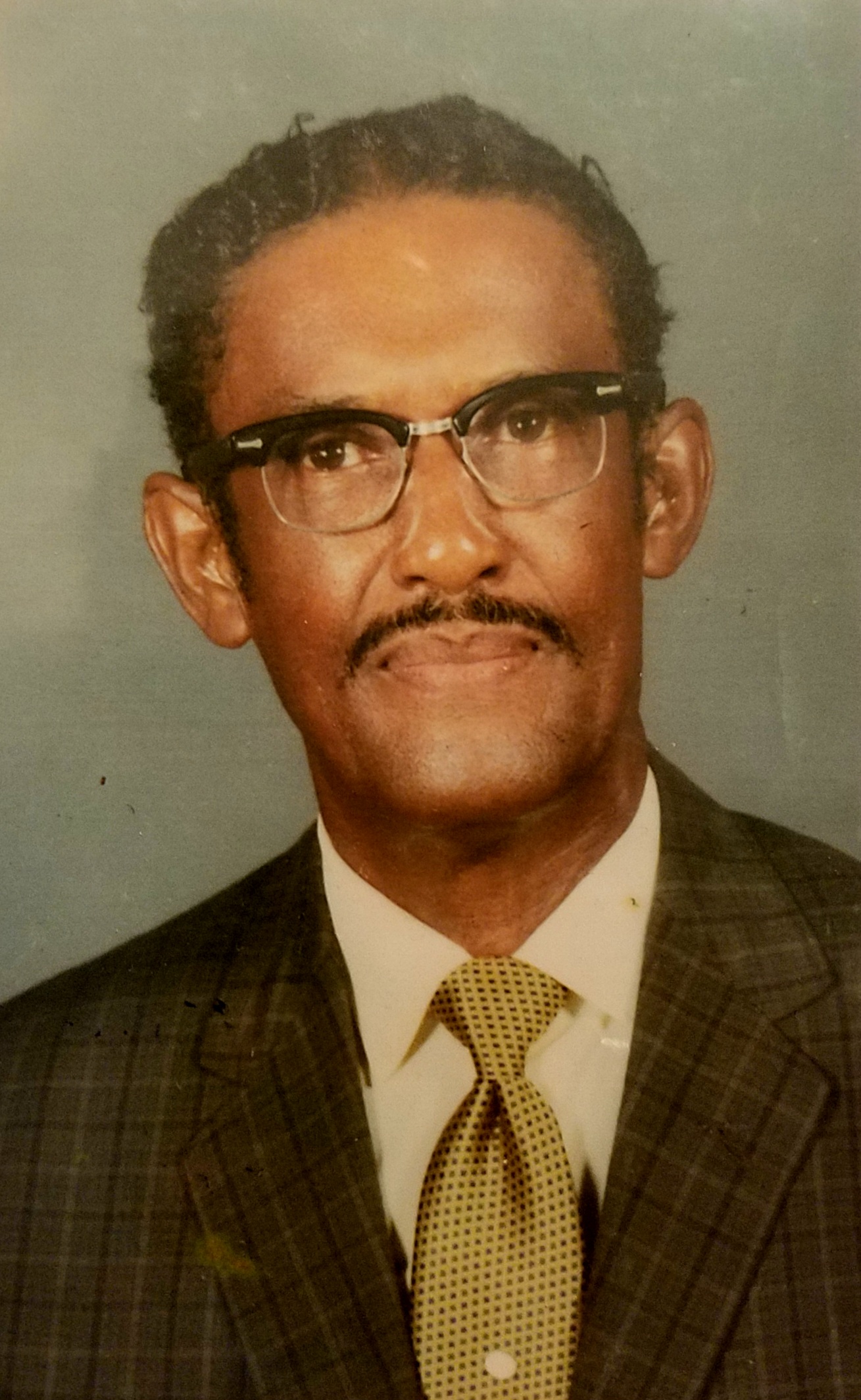
Thomas Colvin, Sr. Thomas Colvin, Sr.
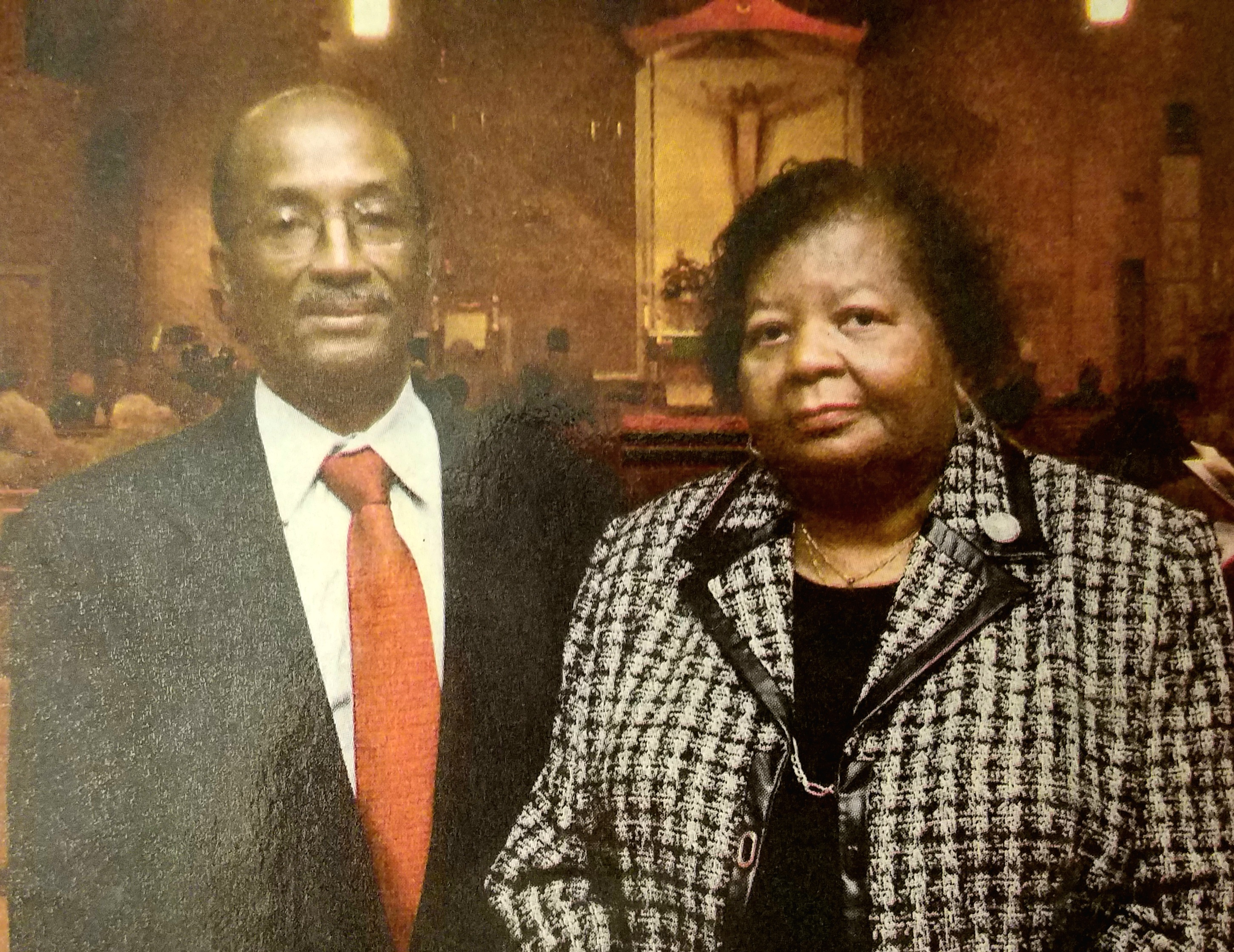
Thomas Colvin, Jr. and family Thomas Colvin, Jr. & wife, Alma

My grandfather, Thomas Colvin, Sr., left school after the sixth grade to work and bring money home to his family. He later lost his left arm to cancer. He never missed a day of work. During the Depression, he built a life from almost nothing - became a master brick mason, and put three children through college while my grandmother held the home together with equal and unsung strength.

He accomplished all of that with one arm, a sixth grade education, and a quality of will that this world simply could not diminish.

He never witnessed the full architecture of what he built. But it extends all the way to a fine art studio in Dothan, Alabama - alive in every mark I make, present in every canvas I touch.

My father, Thomas Colvin, Jr., carried that same inheritance forward. He and my mother traveled to every exhibition I ever mounted. No distance too far. No cost too high. Their presence was unconditional - a form of love that required no understanding of art to communicate itself perfectly.

At my first major exhibition in Atlanta, I arrived with a penny and a prayer - wooden easels, modest frames, offering the best I had. My father walked through that show in silence, and then quietly purchased an aluminum display unit worth over $500. No announcement. No expectation. Just a father who recognized what his son required and moved to provide it without making it a moment about himself.

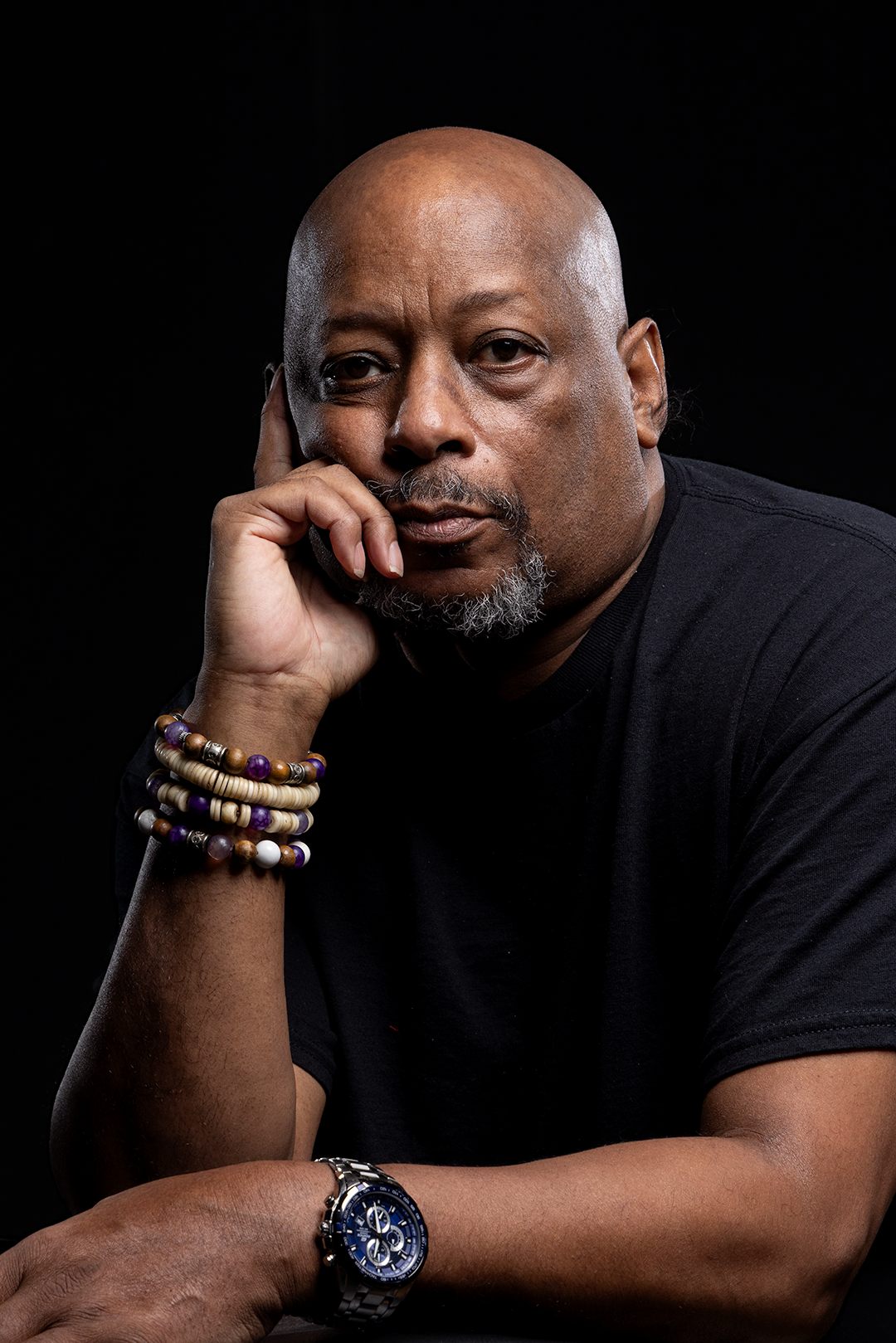
I am Thomas Colvin III. I did not arrive at this work alone. Three generations of hands move through mine every time I create.
Nearly forty years of learning to see.

My creative life took its first serious breath at Alabama A&M University, where Dr. Clifton Pearson demonstrated what it meant to inhabit creativity fully - and where a painting instructor named Bill Nance handed me a philosophy I carry to this day: learn every rule with discipline and devotion, then break each one with equal intention. He also handed me a key to his painting room and extended an open invitation. He understood the difference between instruction and permission. That room became my first true refuge - the space where I discovered that art was not merely something to produce. Art was somewhere a person could go and find themselves waiting.

For nearly four decades, I have moved across photography, painting, drawing, and graphic design. The medium shifts. The intention holds. I create to reveal who I am - the consciousness inhabiting this vessel, moving through this world as a person of color, as a Black man in America, as someone who feels the weight and the wonder of both.

I am an empath. I registered the frequency of things long before I possessed the language to name them. The antenna has always been extended - receiving lines of music, fragments of conversation, the emotional residue of news - and translating all of it into image. That process requires no technique. It reflects how I am fundamentally constructed.

The moment that changed everything.

At the National Black Art Festival in Atlanta in 1998, I observed a woman standing before one of my images - a woman cradling her man, singing to him in a moment of profound tenderness. I approached and asked what she felt looking at it. She turned almost immediately and walked away with urgency.

She came back. She apologized. She told me she had recently separated from her husband because of his drug use - and that if he failed to stop, he would become the man she saw in that painting.

She encountered something entirely different from what I had placed there. And what she found carried more truth than anything my intention could have engineered.

I was thirty-seven years old. I had carried the sincere belief that people would simply enjoy what I made. That woman dismantled that belief entirely and replaced it with something far more profound: real art moves people through the full weight of their own lives and their own truth. The artist plants a seed. The viewer grows something the artist could never have imagined alone.

I stepped away from public work to sit with the magnitude of what I had witnessed. Six months became ten years.

The work was still waiting.

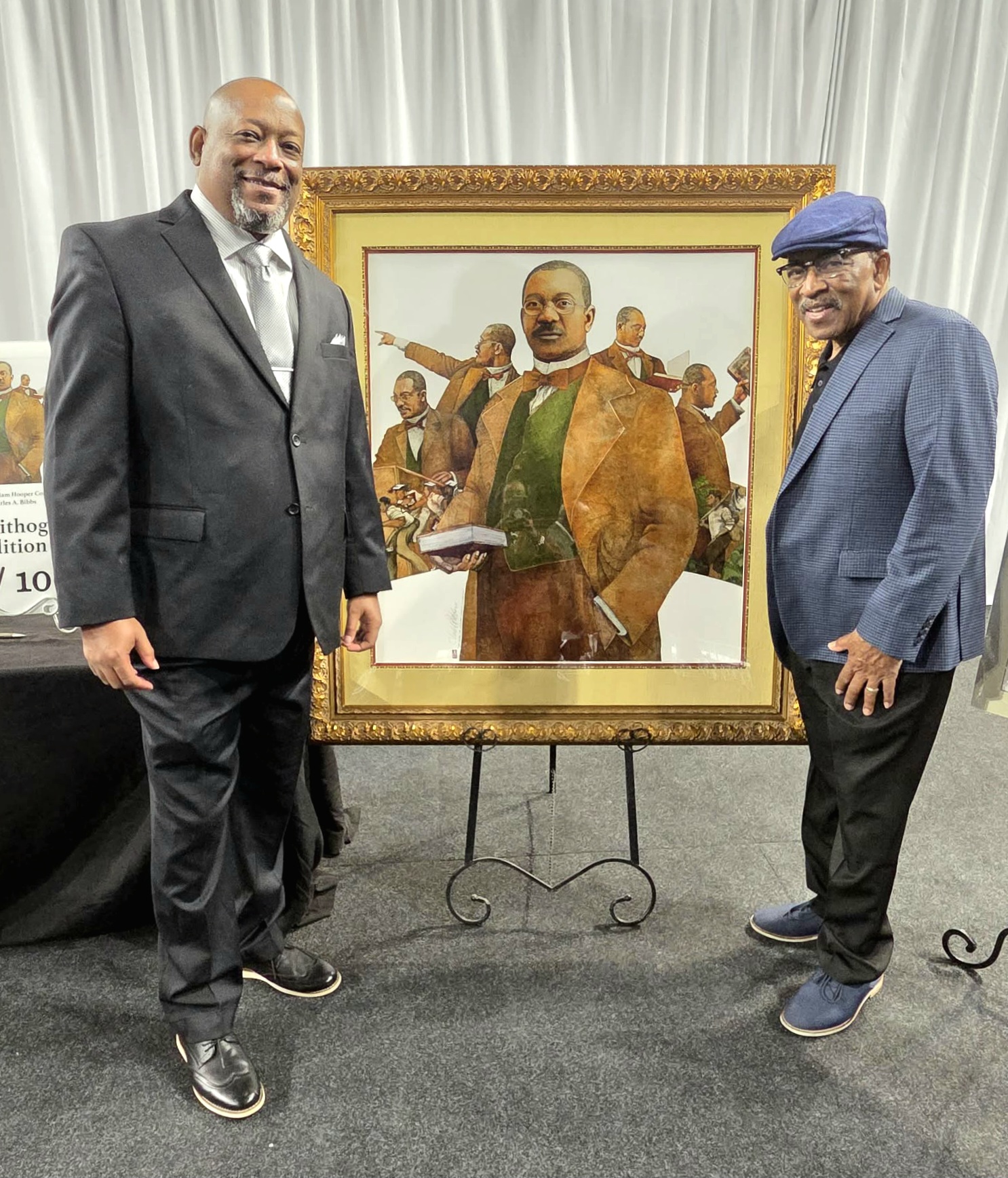
My path back to a public stage ran first through a reconnection with artist Charles Bibbs and his family. Charles had represented a standard of artistic integrity and vision that I deeply respected. His company, B Graphics, had carried my reproductions into the world during the 1990s. When he and his family encountered my work again after years of distance, they offered the validation I had not yet found the capacity to extend to myself.

"The work hadn't left. It was waiting for you to return to it." — Charles Bibbs
Thomas Colvin III and Charles Bibbs Thomas Colvin III with Charles Bibbs — Alabama A&M University, December 2025

Those words unlocked something I had not known how to open from the inside. Shortly after, at the Loop Music and Art Festival, I exhibited a jazz in blue piece - an acrylic, monochromatic painting constructed entirely with a palette knife. The response that filled that booth confirmed everything Charles had already spoken into existence. The work carried its own authority. My task was to trust it.

In 2023, I released every other professional obligation to give this work what it had always merited - my complete presence, my undivided intention, my whole self brought fully to bear.

A journey of dreams, now fully underway.

From a studio in Dothan, Alabama - housed in a building that once served as an elementary school, a space already consecrated by learning and becoming - I am constructing the most deliberate and personal body of work of my life. A series titled An Exploration of the Creative Soul Through Music. Each piece a symbolic self-portrait. Each figure carrying some essential dimension of Thomas Colvin III - his joy, his grief, his unresolved questions, his inherited strength, his earned wisdom.

The music serves as the lens. The soul remains the subject.

I do not interpret my work for the people who stand before it. I trust that your life arrives at the canvas already carrying everything you need to understand what it says to you specifically.

"I create art as an invitation to discover who I am."

The work continues to grow. The conversation remains open. If something in this story resonates - if something on these walls reaches toward something in you - stay connected. What comes next belongs to both of us.